The Catholic Church has dealt with sexual abuse accusations in the last decade spanning across the United States, Australia and Ireland.
Reverend David Poulson admitted to being “aroused” by two young boys he was tutoring in the years of 2002 to 2010 and 2003 to 2006. According to BBC, the church was made aware of these incidents in 2010, but nothing was done until six years later in response to a grand jury subpoena.
Poulson’s case is an example of how abuse and cover-up continue to exist in the Catholic Church, even after the scandal started making news 16 years ago. Since then, the church has promised to reform to prevent these events.
In Pennsylvania, Poulson was one of 301 predatory priests identified in a grand jury report released Aug. 14 that covered child sexual abuse in six Pennsylvania Catholic dioceses and religious leaders' efforts hide it.
The investigation ended up identifying over 1,000 victims.
The report is one of the most substantial public accountings of abuse within the Catholic Church and deals with events before the early 2000s.
In 2002, the U.S. Conference of Catholic Bishops adopted the Charter for the Protection of Children and Young People in response to sexual abuse within the church. The charter addresses the procedure for reporting allegations against priests for child sexual abuse.
Despite this, the scandals, subsequently followed by cover-ups, continued.
In 2002, a female victim reported that a priest in the Allentown Diocese abused her. The district attorney didn’t pursue a criminal case, saying it was due to the statute of limitations.
Almost 12 years later in 2014, Harrisburg Bishop Ronald Gainer wrote to the Vatican insisting that an accused priest should not be removed from the priesthood even though he was taken from active ministry. Gainer wrote that the priest should be allowed to live the rest of his life without the public knowing of his crimes because of his involvement with the church.
After the grand jury report, the Harrisburg diocese said in a statement that the letter didn’t represent the actions taken and wasn’t part of a scheme to cover up the incidents.
In Australia, the Catholic Church rejected a landmark inquiry's recommendation that priests should be forced to report sexual abuse disclosed during confession. The inquiry found that thousands of children were victims of sexual abuse within the Church.

According to the Australian Catholic Bishops Conference, reporting allegations made during confession is against their faith and contradicts religious liberties. The Conference also insisted that new rules would prevent people from disclosing those incidents during confessions.
The state of South Australia has already announced new laws to begin in October that will require clergy to report abuse. However, the Catholic Church and its leaders have vowed not to follow that law.
Many accusations date back to the 1950s, but they didn’t start making headlines until the 1980s, primarily in the U.S. and Canada. About 10 years later, more stories started to emerge across the world and the allegations became a global discussion.
In 2004, a Church-commissioned report said more than 4,000 US Roman Catholic priests had faced sexual abuse allegations in 50 years, involving more than 10,000 children - mostly boys.
At the beginning of August of 2018, Pope Francis wrote to all Roman Catholics condemning child sexual abuse in the church and demanded that there be an end to cover-ups, according to BBC.
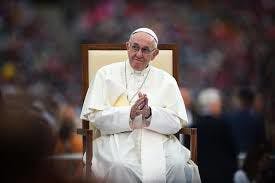
Pope Francis' letter addressed the pain of abuse victims in Pennsylvania after the grand jury report was released.
After decades of child sexual abuse, it becomes more abundantly clear that the Catholic Church will not make adequate attempts to fix these issues and to prevent these disgusting situations.
Every time an article about child sexual abuse comes out, the natural reaction is typically shock. At what point is, “This needs to stop,” going to be the primary reaction?